Industries · Aviation
Tool control, FOD-conscious.
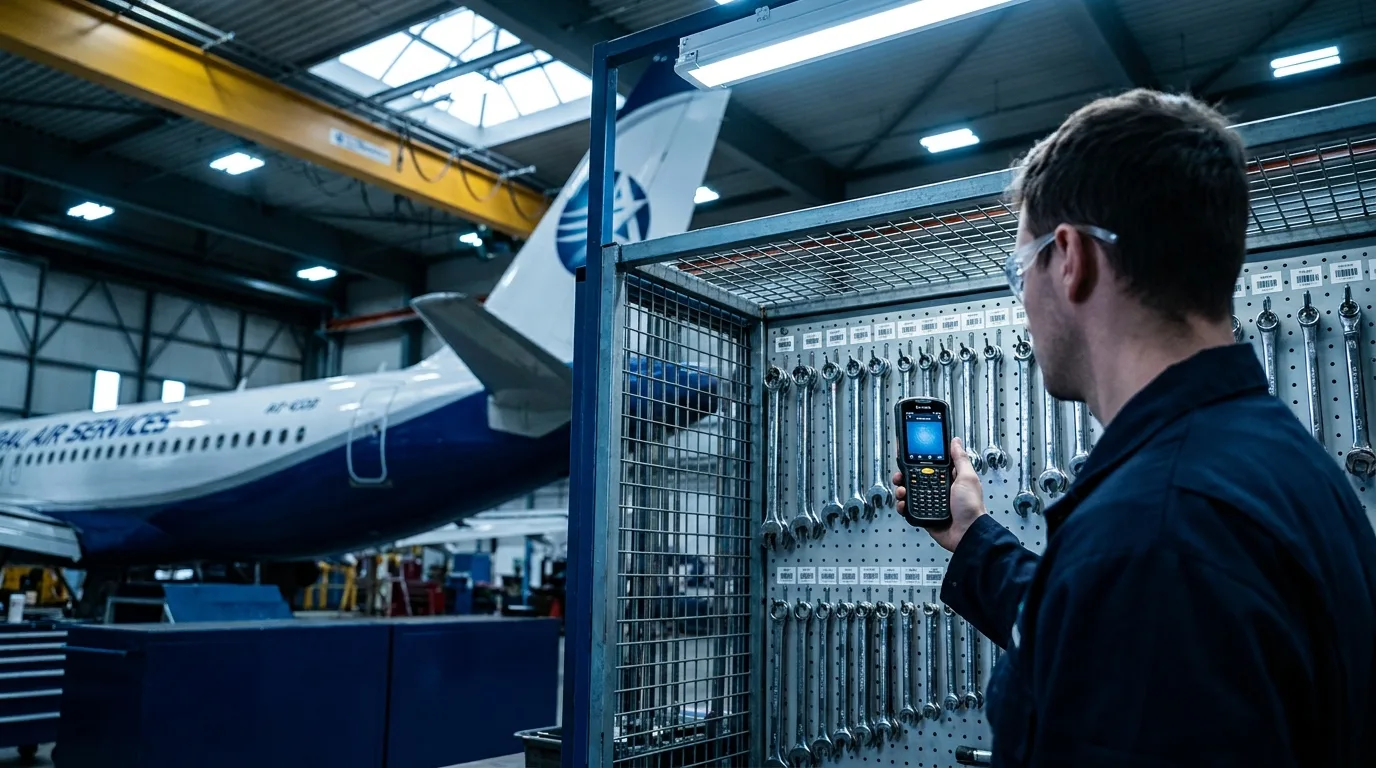
Accountability, calibration status, and controlled issue/return across shifts.
Every flightline
One loop, every aircraft.
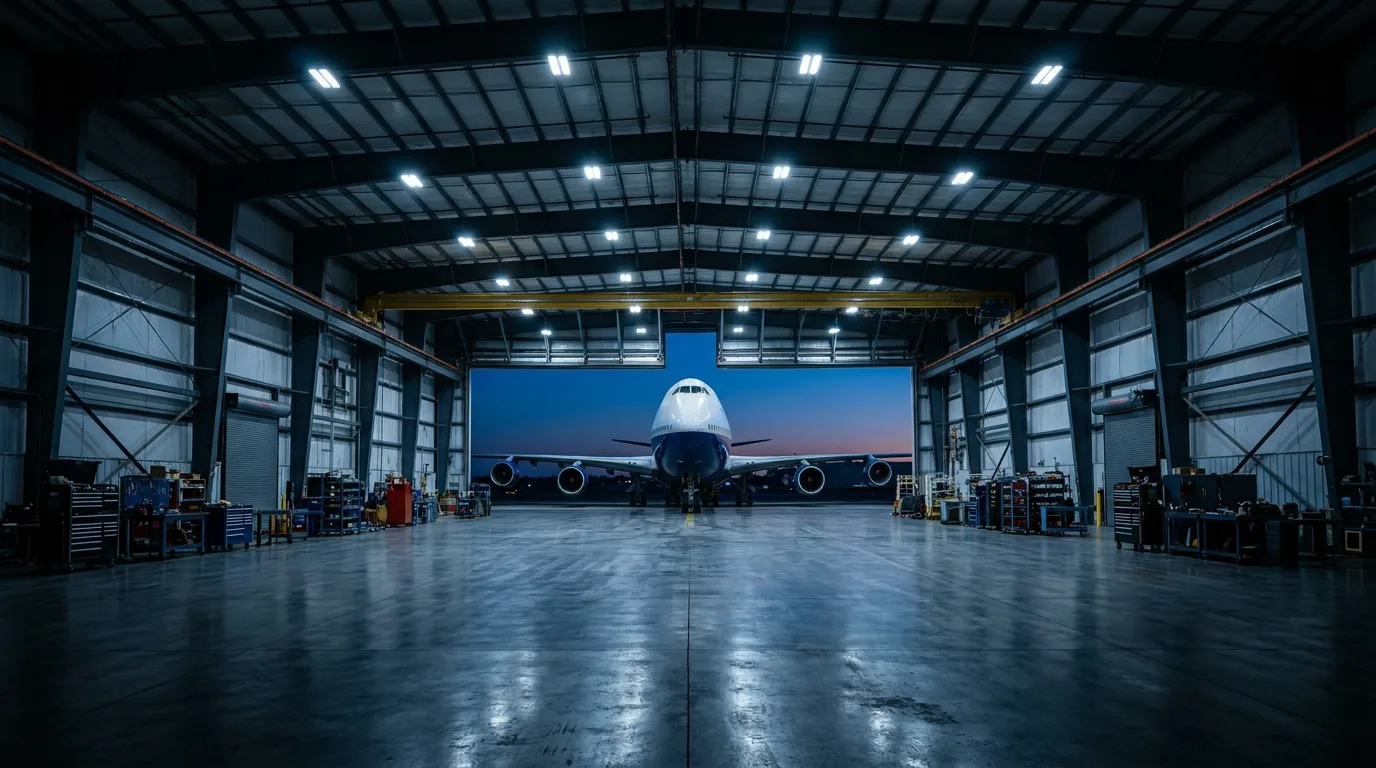
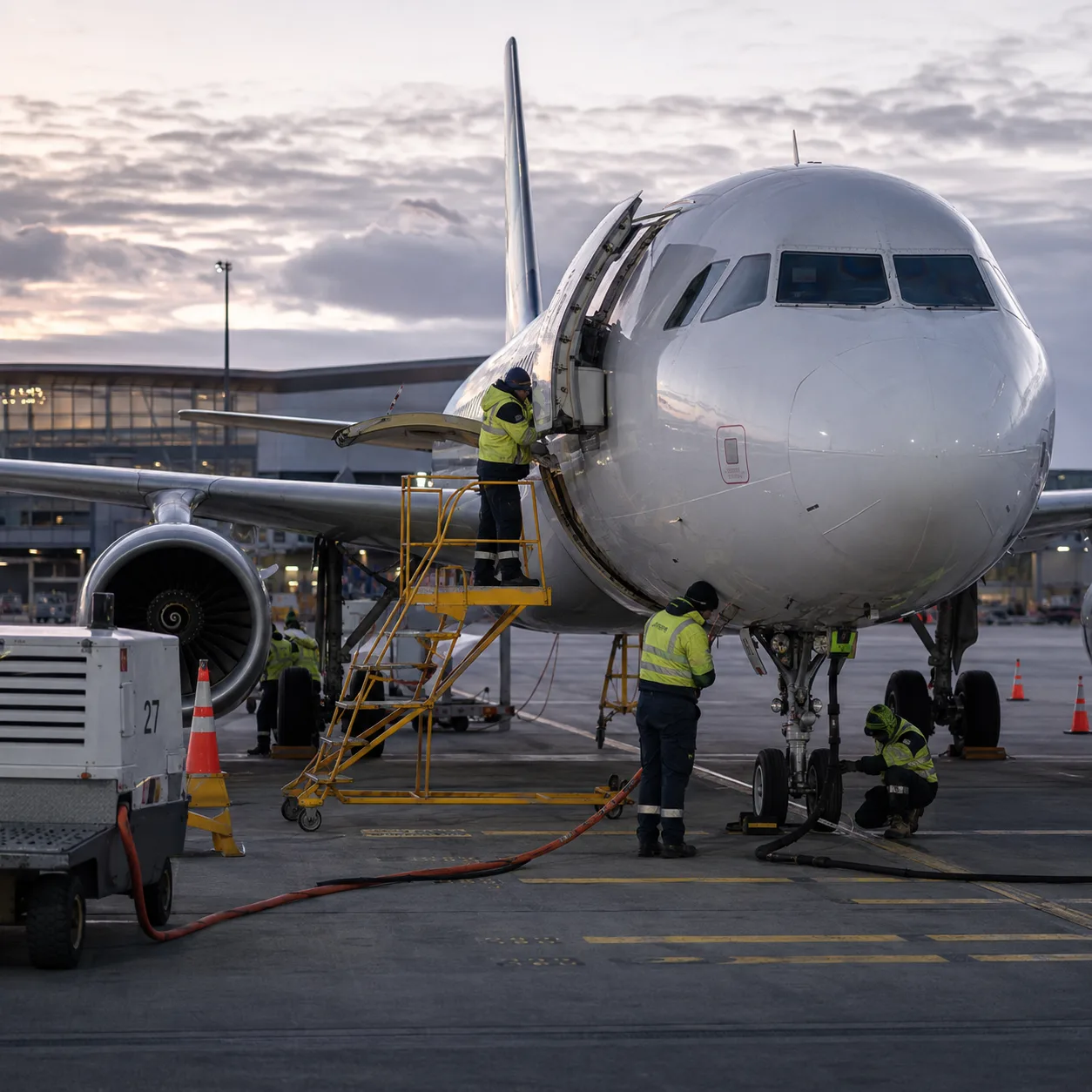
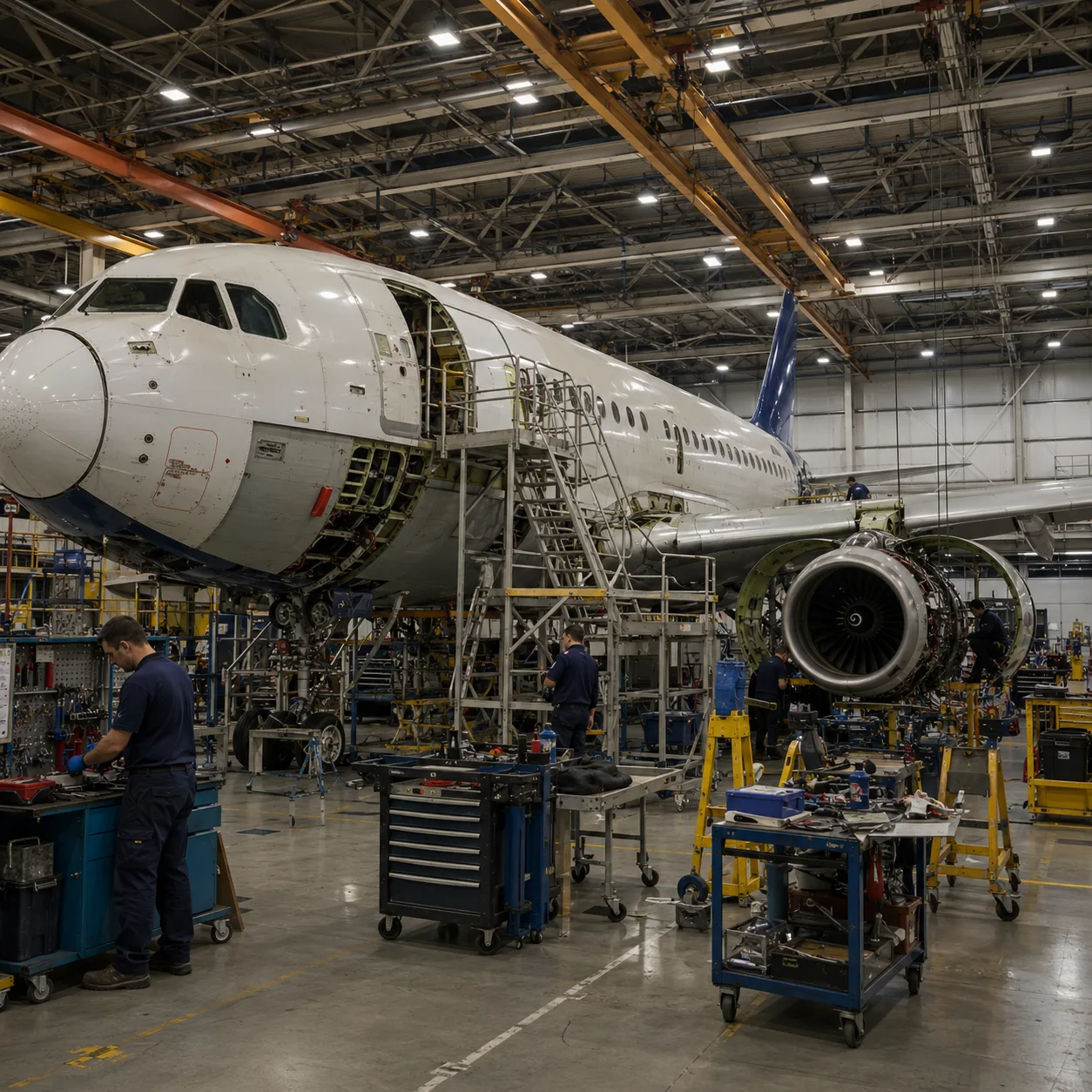
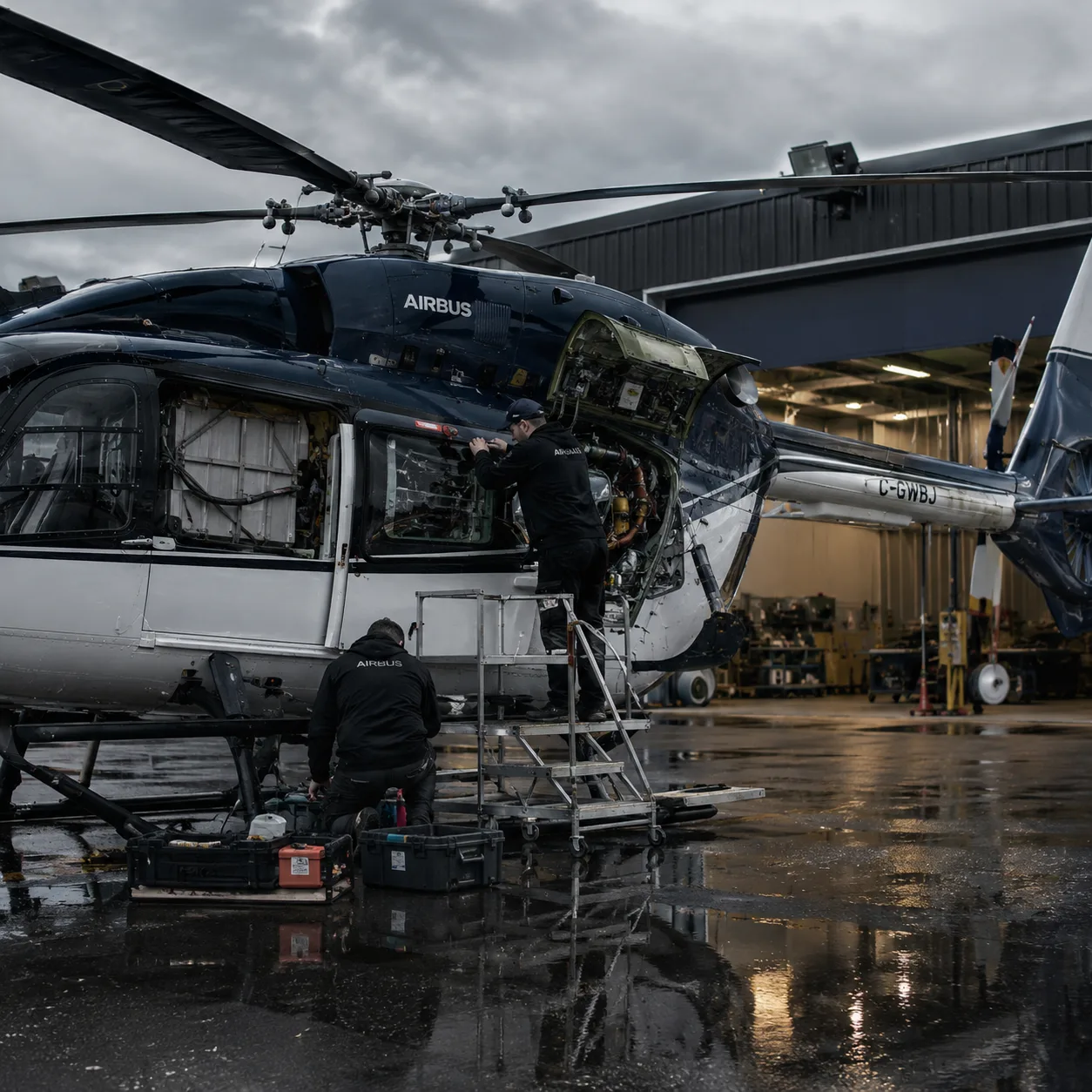
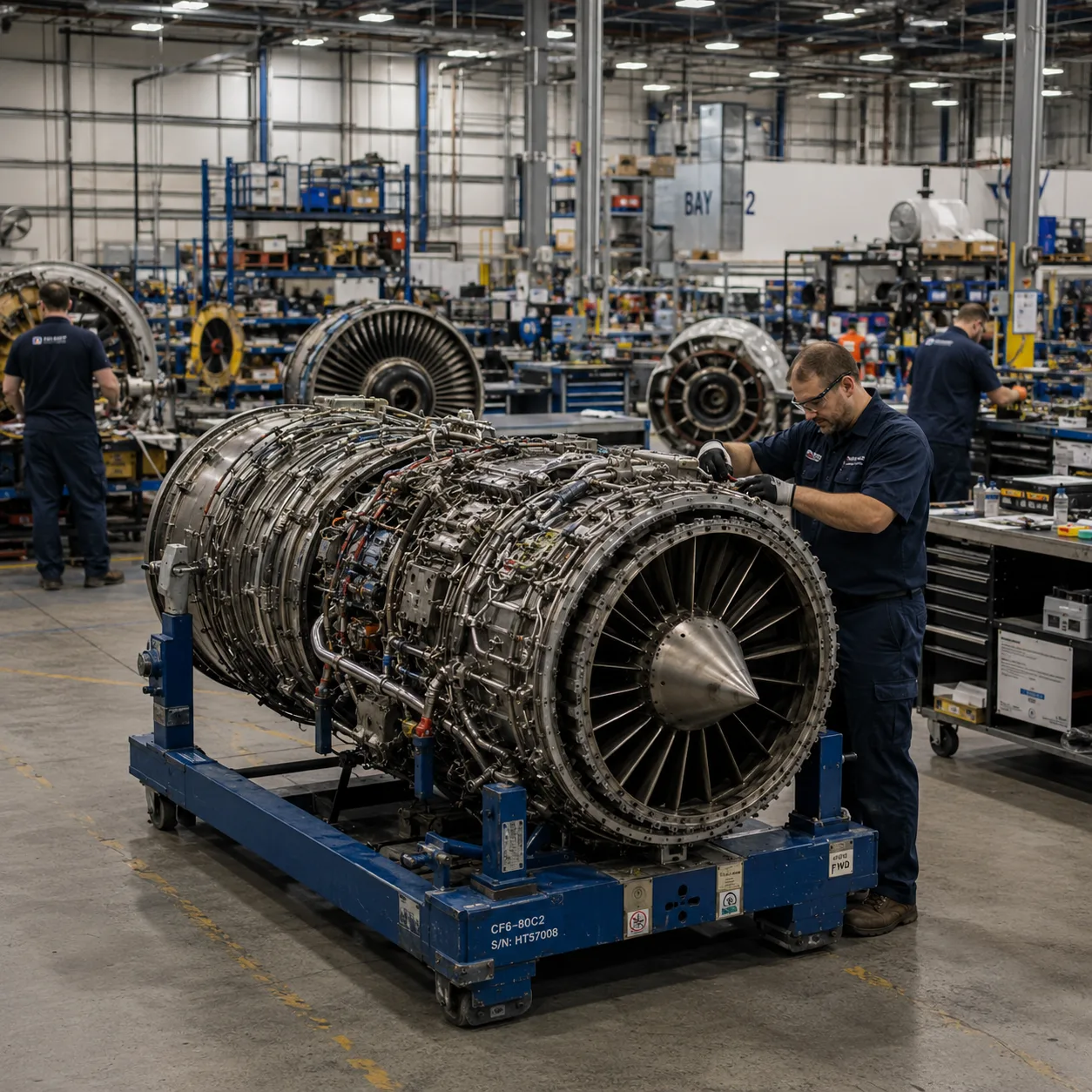
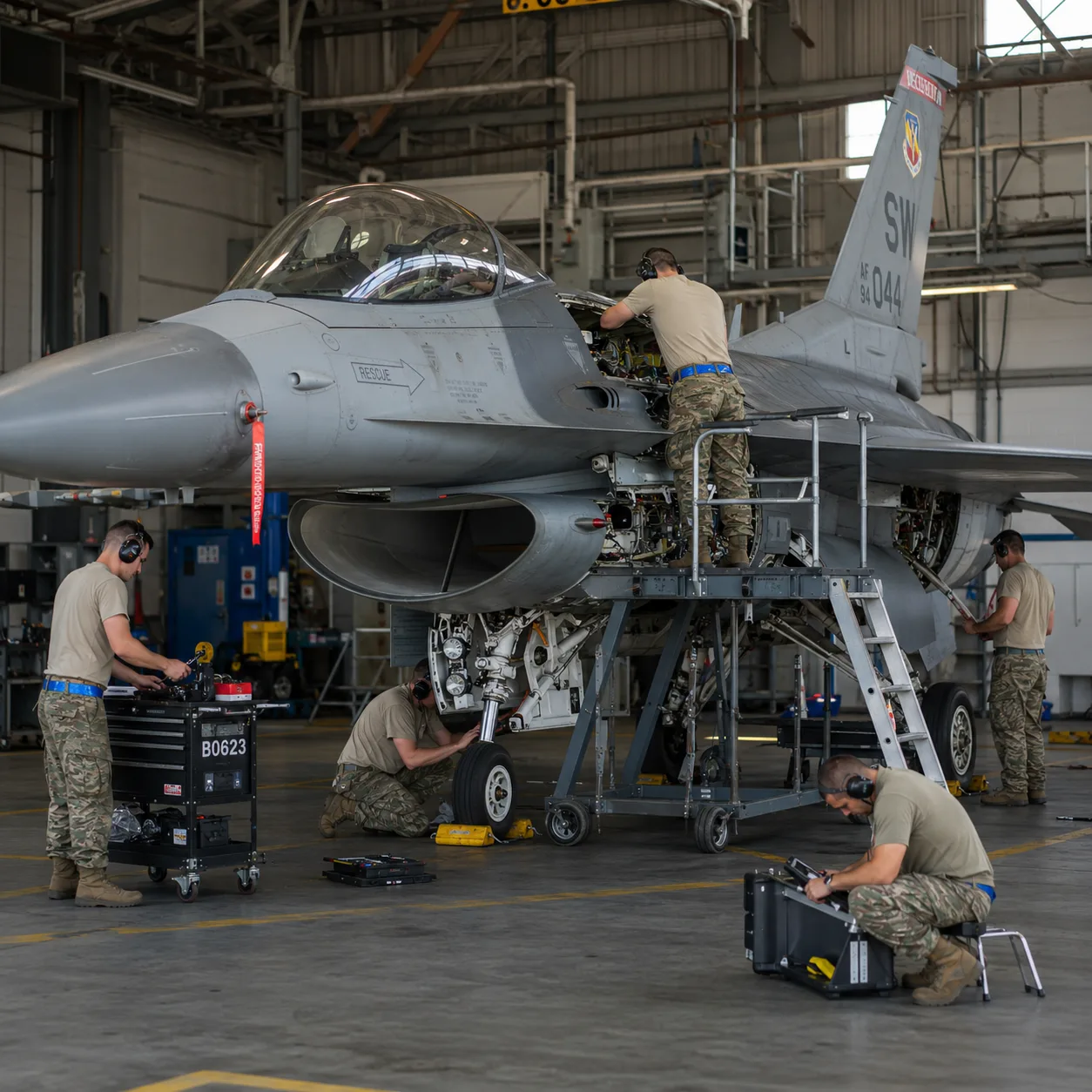
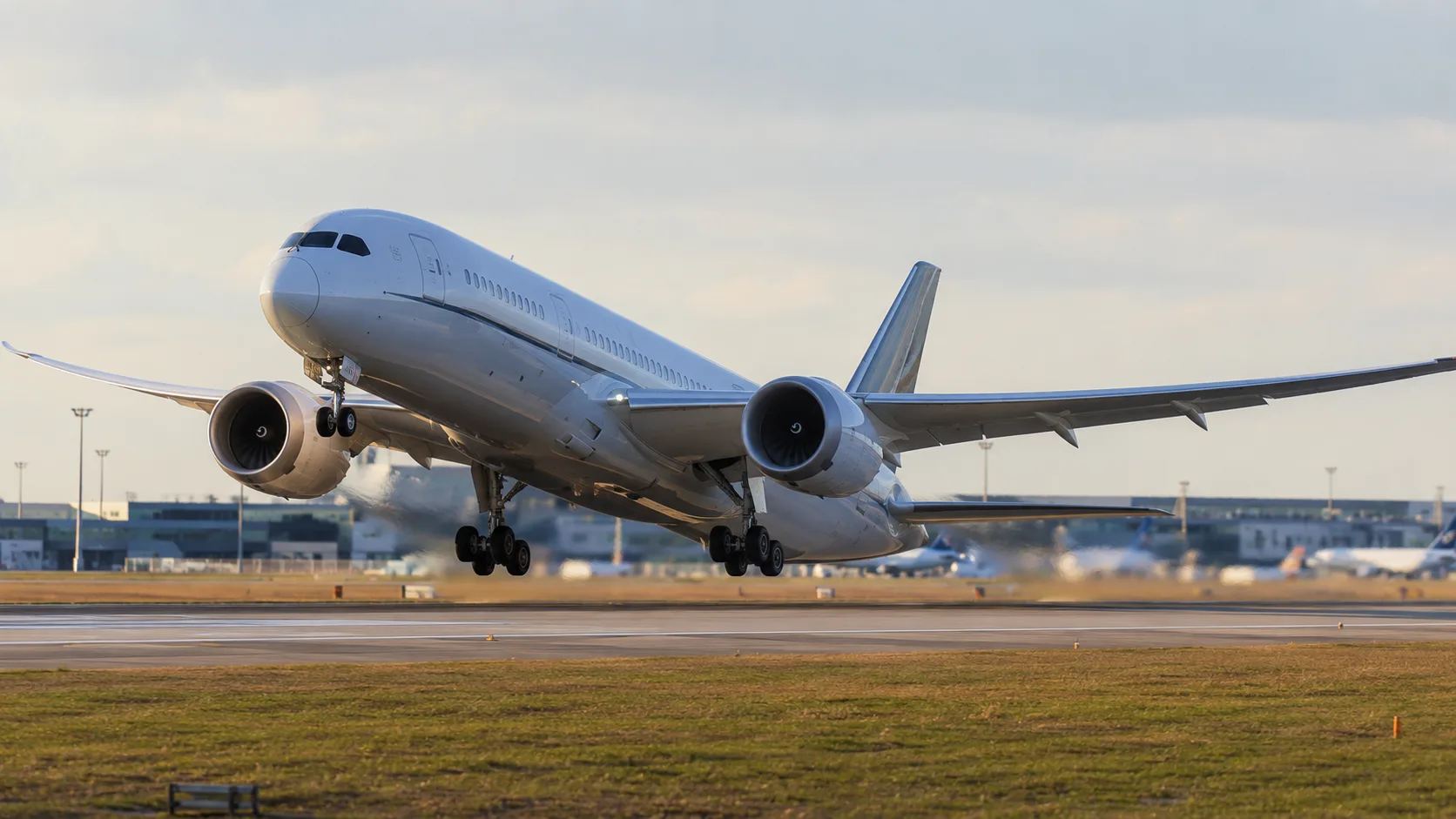
Airliners to rotorcraft, business jets to defense aviation — the same controlled issue/return holds the tool crib.

The problem
A missing tool grounds the aircraft.
Foreign-object debris (FOD) risk, calibration lapses, and shift-change gaps turn maintenance into downtime. One uncontrolled tool can hold an aircraft on the ground — controlled issue/return gives every shift an audit-ready count.
The cost of doing nothing
Aircraft-on-ground is the most expensive line in maintenance. A missing tool can start the clock.
Cost of inaction
Run your numbers.
Adjust to your operation. This is what Aviation / MRO pays, every year, to stay manual.
Operation parameters
- Grounded-aircraft cost$240,000your inputs: delays × hrs grounded × AOG $/hr
- Tool shrinkage$8,4007%/yr of tool-inventory value — ABAX
Time cost in hours and labor
Controlled issue/return prevents most tool-caused groundings (~90%) and ~60% of tool loss.
Recover this — claim it in a field briefEstimate only, from your inputs and the cited benchmarks below. Not a quote.
The control loop, here
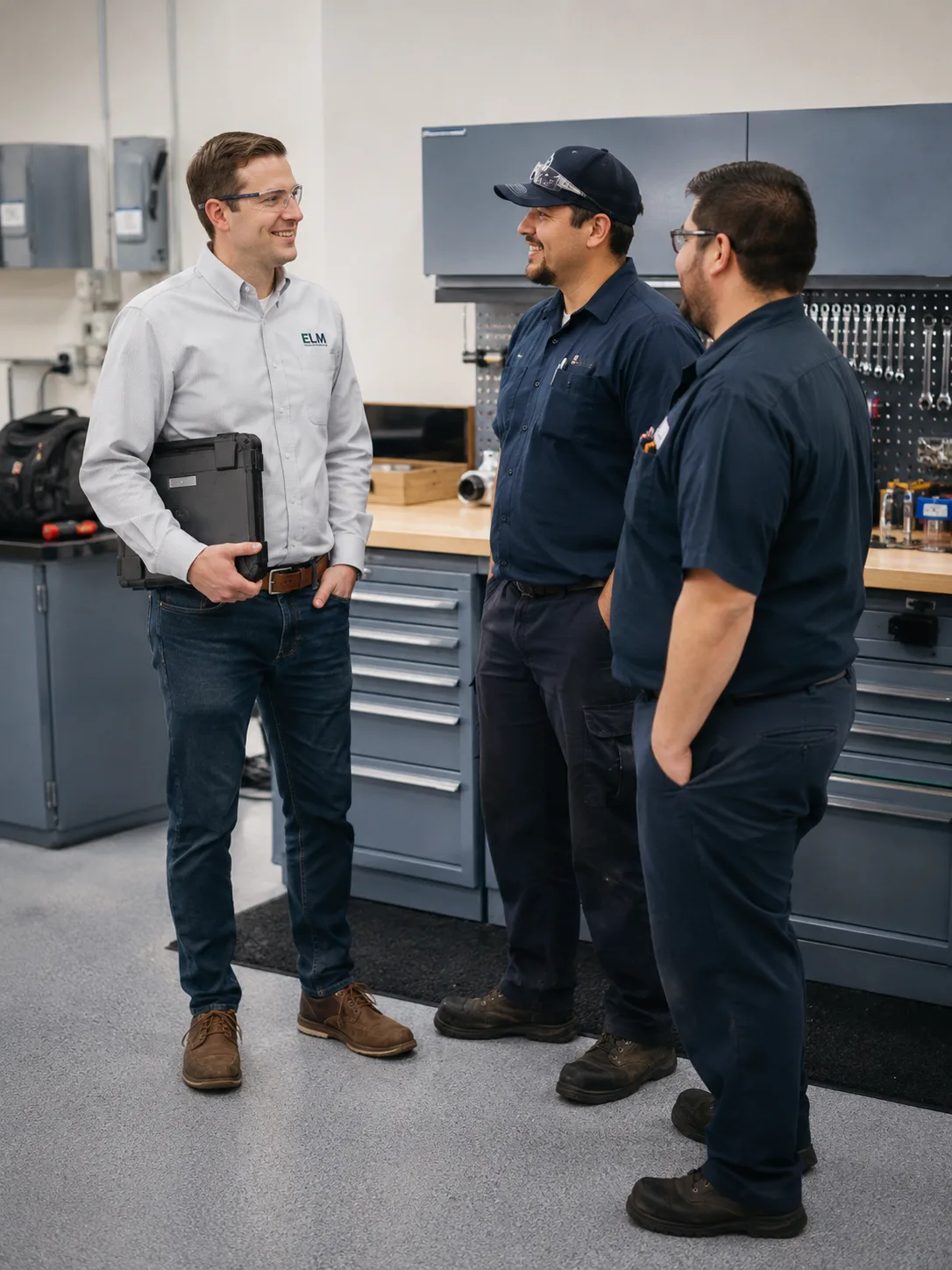
What it looks like in your theater.
- Controlled issue/return per shift
- Calibration & load-test visibility
- FOD-conscious tool accountability
- Audit-ready exports
Solve it for Aviation / MRO.
A readiness review maps your workflows, operational risks, and the best-fit control model.